Head Trauma and Memory Loss: Supporting Brain Recovery and Mental Health
Head trauma can have profound effects on the brain, leading to various challenges, including memory loss.
Recovery from such an injury requires more than just physical healing; it demands a multifaceted approach that addresses both the mental and emotional aspects of the injury.
As more research uncovers the depth of these effects, the importance of proper support for brain recovery becomes increasingly clear. For healthcare professionals, staying informed and equipped with the latest techniques to help those recovering from head trauma is crucial.
Here's how supporting brain health can make a significant difference in patient outcomes:
Memory Loss: Understanding Head Trauma and Its Effects
Head trauma encompasses a range of injuries, from mild concussions to severe brain damage.
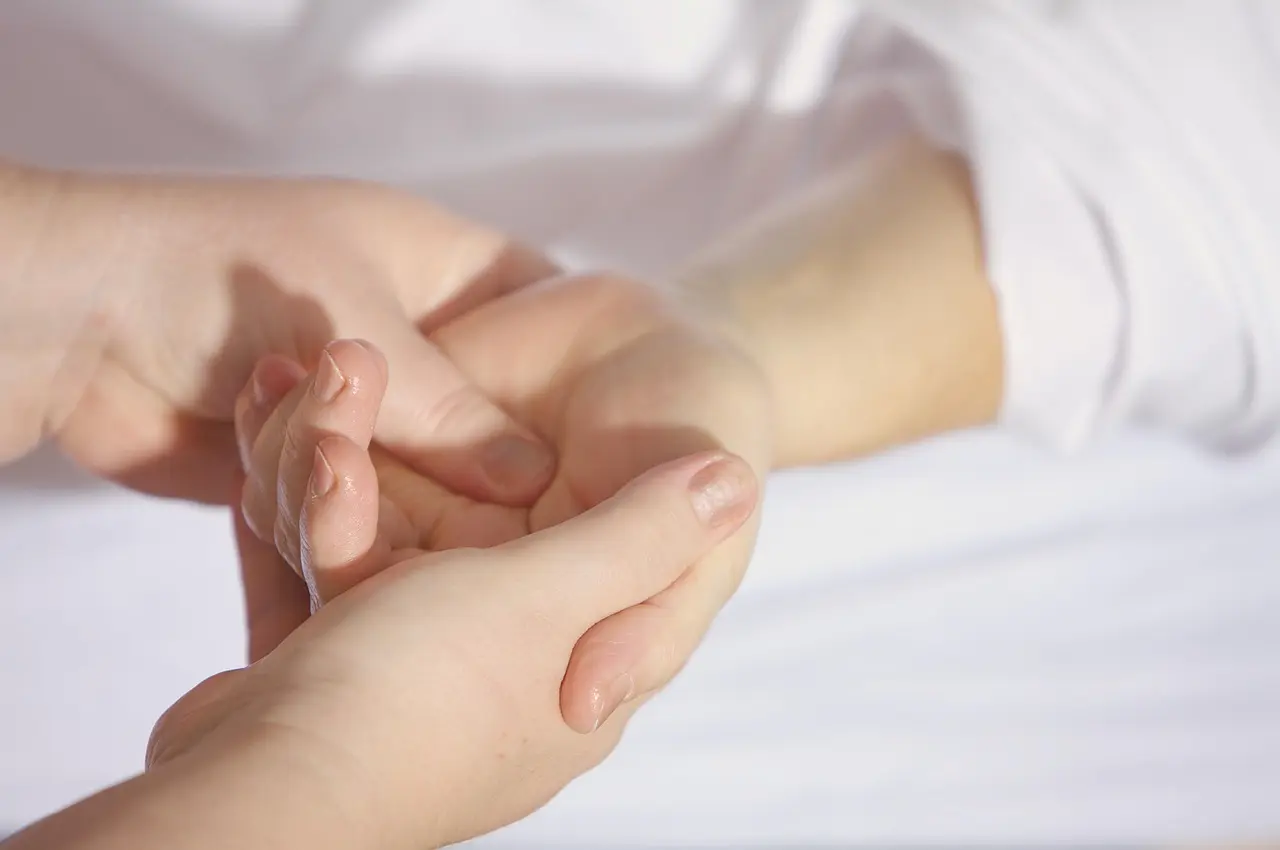
It can result from various causes, including falls, car accidents, or sports-related incidents. One of the most common consequences of head trauma is memory loss, which can range from temporary forgetfulness to long-term cognitive impairment.
These cognitive difficulties can impact a person’s ability to perform everyday tasks, communicate effectively, and even engage in social interactions. The severity of memory loss depends on the type and extent of the injury, but it can significantly alter the individual’s life and well-being.
Early intervention and understanding of the injury are key in helping individuals recover and regain their cognitive abilities.
Related Content: How Long After Car Accident Can You Claim For Injury
The Role of Hiring Experienced and Qualified Staff in Recovery
Supporting recovery from head trauma requires skilled professionals who can provide the necessary care and expertise. Hiring experienced and qualified staff plays a pivotal role in improving recovery outcomes. Nurses, therapists, and rehabilitation specialists who have advanced training are better equipped to understand the complexities of brain recovery.
For those looking to build a strong healthcare team, advanced programs can help equip professionals with the knowledge and practical experience to provide high-quality care.
For example, there are various pathways available, like RN to BSN online programs, that cater to individuals who want to expand their skills and improve their ability to support recovery. These programs offer critical knowledge on brain injury care, rehabilitation, and mental health support, which are essential for those working with individuals recovering from head trauma.
Recognizing the Symptoms of Memory Loss
After experiencing head trauma, recognizing the signs of memory loss is crucial for determining the right course of action for recovery.
Common symptoms of memory loss include difficulty recalling recent events, problems with concentration, and frequent forgetfulness. Some may struggle to remember information they once easily retained, while others may exhibit changes in behavior, such as increased frustration or confusion. It's important to monitor these signs and seek medical help if the symptoms worsen or don't improve over time.
An early diagnosis allows healthcare providers to implement effective strategies and therapies that can help with memory recovery and overall cognitive function.
Importance of a Comprehensive Treatment Plan
A comprehensive treatment plan that addresses both physical and cognitive aspects of recovery is essential for those recovering from head trauma. A one-size-fits-all approach is rarely effective, as each injury and individual is unique.
A well-rounded plan might include medication, therapy, and support from a team of professionals, such as neurologists, psychologists, and physical therapists.
Regular assessments are necessary to monitor progress and adjust the plan as needed. Additionally, these plans often integrate emotional support, helping individuals process the trauma and cope with the changes in their cognitive abilities.
The holistic nature of such a treatment plan is designed to promote long-term recovery, ensuring individuals are supported across all facets of their well-being.
Cognitive Rehabilitation for Brain Recovery
Cognitive rehabilitation is a crucial part of the recovery process for anyone who has experienced memory loss due to head trauma. This type of therapy involves specific exercises aimed at improving memory, attention, problem-solving skills, and executive functions.
Cognitive rehabilitation may include tasks such as memory drills, concentration and focus exercises, and training in organizational skills.
By regularly engaging in these exercises, individuals can enhance their cognitive abilities and regain some of the functions lost due to their injury.
The ultimate goal is to improve their quality of life by restoring independence and allowing them to resume daily activities with confidence.
The Impact of Nutrition on Brain Health
Proper nutrition plays an essential role in supporting brain recovery after head trauma.
The brain requires specific nutrients to heal and function optimally, and these nutrients can help reduce inflammation, improve cognitive function, and boost overall brain health.
For example, omega-3 fatty acids, found in fish like salmon, walnuts, and flaxseeds, are known to support brain cell regeneration and protect against further damage. Antioxidant-rich foods, such as berries, leafy greens, and nuts, can reduce oxidative stress and inflammation in the brain.
Additionally, a well-balanced diet with plenty of vitamins and minerals, including vitamin E, vitamin B12, and magnesium, is crucial for maintaining healthy brain activity.
By incorporating these foods into the diet, individuals recovering from head trauma may experience enhanced cognitive function and faster recovery.
Recommended Read: Foods That Can Make You Feel Happy
The Role of Exercise in Brain Recovery
Exercise is not only beneficial for physical health but also plays a crucial role in improving brain health after head trauma. Regular physical activity can enhance brain function, improve memory, and stimulate the growth of new brain cells.
Aerobic exercises, such as walking, cycling, and swimming, can increase blood flow to the brain, promoting healing and reducing cognitive decline. Strength training can also have positive effects on brain function, helping to improve coordination and motor skills.
Moreover, exercise has been shown to boost mood and reduce symptoms of anxiety and depression, which are often present during recovery from a brain injury. Including exercise in the recovery plan, when approved by healthcare providers, can significantly improve overall mental and physical well-being.
Conclusion
Head trauma and memory loss are complex issues that require a holistic approach to recovery. By addressing both the physical and mental aspects of the injury, individuals can maximize their chances for a successful recovery. From proper nutrition and exercise to cognitive rehabilitation and emotional support, each element plays a vital role in the healing process.
Qualified professionals, like an Orlando therapist trained through advanced programs, can make a significant difference in the recovery journey. They provide the necessary care, guidance, and support to help individuals heal and thrive.
Building a strong support system and developing a personalized treatment plan are essential for individuals facing memory loss and cognitive difficulties after head trauma. With the right resources, care, and commitment, recovery is possible, and individuals can regain their independence and improve their quality of life.
---
Healing from trauma takes specialized, compassionate care. Our PTSD and trauma specialist in Orlando uses evidence-based approaches — including EMDR and trauma-focused therapy — to help patients move forward safely and at their own pace.