Why Upskilling Is Essential for Healthcare Professionals Today
Why Upskilling Is Essential for Healthcare Professionals Today
If you work in healthcare, you know the industry never stands still. New treatments, updated best practices, and innovative technologies appear every year. As a result, staying current isn’t just recommended. It’s expected. Whether you’re a nurse, medical assistant, or technician, your knowledge and skills directly affect patient safety and outcomes.
This rapid pace of change means that healthcare professionals must continuously improve their skills to keep up. Upskilling the process of learning new skills or earning advanced credentials is quickly becoming a key factor in career growth. It’s no longer enough to rely solely on the training you received when you first entered the field.
Thankfully, modern education makes this easier than ever. Online learning, flexible schedules, and employer tuition assistance programs have made it possible to gain advanced knowledge while continuing to work full-time. That accessibility is empowering more professionals to grow in their careers and deliver better patient care, something every healthcare worker can feel good about.
How Education Opens New Doors
One of the most important reasons to invest in upskilling is the opportunity it creates for career advancement. Many healthcare organizations now prefer or even require certain roles to be filled by professionals with advanced degrees or certifications. For nurses, one of the most popular ways to take the next step is by enrolling in LPN to BSN online programs, which allow you to build on your existing skills, earn a bachelor’s degree, and qualify for higher-paying roles, all while continuing to work. These programs are designed with flexibility in mind, giving you the chance to study at your own pace and apply what you learn directly to your current job.
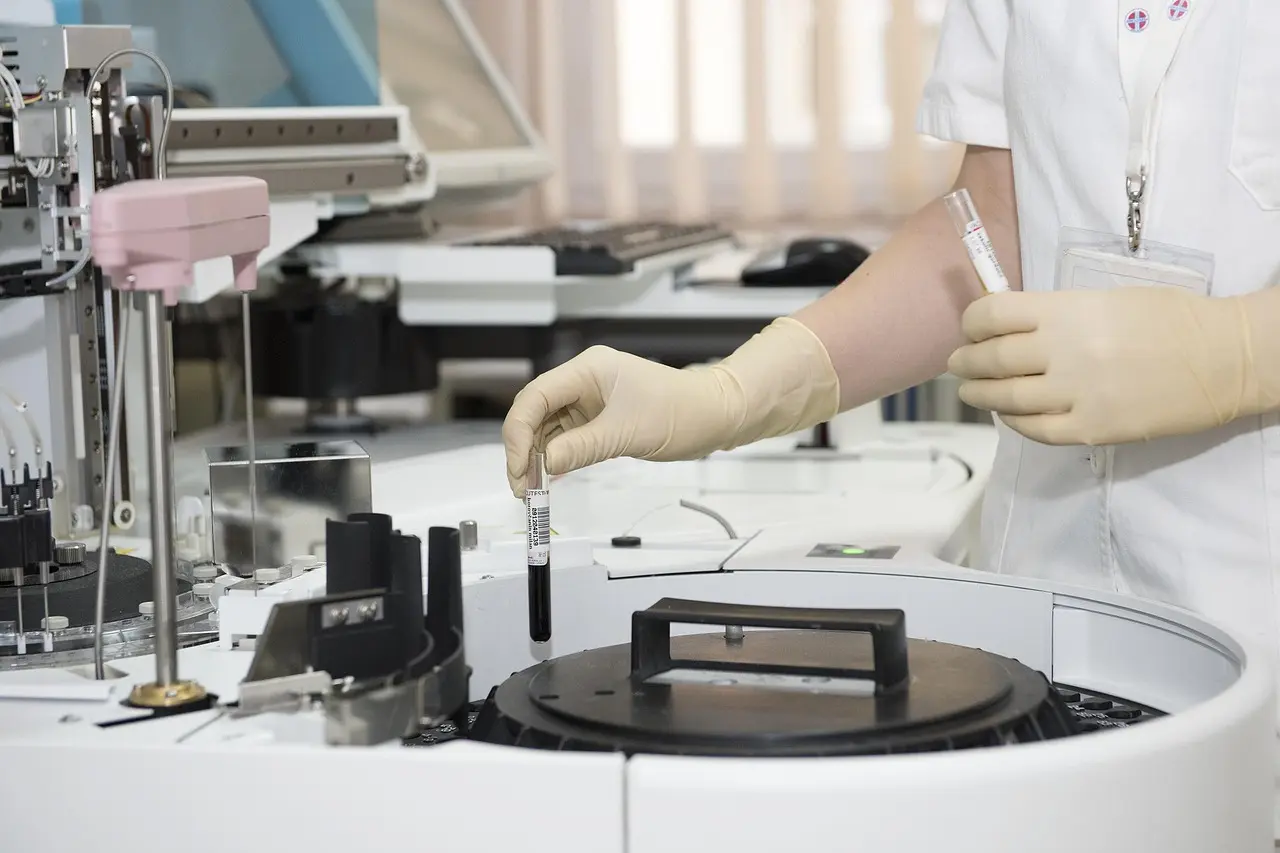
Beyond career growth, advancing your education can also make you a more confident and effective caregiver. You’ll gain deeper clinical knowledge, learn leadership skills, and develop critical thinking abilities that improve decision-making in fast-paced environments. Employers benefit from this as well; teams with highly trained professionals provide safer, more efficient care, which leads to better outcomes for patients.
The Changing Demands of Healthcare
Healthcare is evolving faster than ever, and with that evolution comes new challenges. Advances in technology, such as telehealth and artificial intelligence, have transformed the way care is delivered. To stay relevant, healthcare workers must know how to use these tools effectively and responsibly.
Patient needs are also shifting. With an aging population and rising rates of chronic illnesses, there’s a growing demand for nurses and other professionals who can manage complex care plans. Mental health awareness has increased as well, requiring providers to approach care more holistically.
On top of these changes, regulatory bodies and health systems are raising the bar for education. Many hospitals now encourage nurses to earn a BSN to meet Magnet status requirements, which recognize healthcare facilities for excellence in patient care. It means that upskilling isn’t just an option. It’s a way to stay competitive in your field.
The Benefits of Upskilling for Professionals
Pursuing additional education can open doors to leadership positions, specialized roles, and higher pay. A BSN-prepared nurse, for example, may qualify for charge nurse positions or have the opportunity to work in more advanced clinical settings.
Upskilling also brings a sense of security. In a competitive job market, those who have continued to develop skills often stand out to employers. It can mean greater job stability, more opportunities for promotions, and the ability to move into new areas of healthcare when you’re ready for a change.
Equally important, professional growth can increase job satisfaction. Learning new techniques and approaches can reinvigorate your passion for the work you do, giving you a renewed sense of purpose. It can help prevent burnout, which is common in healthcare careers that demand long hours and emotional resilience.
How Upskilling Improves Patient Care
Ultimately, the biggest reason to invest in education is the positive impact it has on patients. Research shows that facilities with more BSN-prepared nurses have lower patient mortality rates and fewer medical errors. That’s because advanced training improves clinical judgment, communication, and problem-solving skills.
When you upskill, you’re better equipped to provide holistic, evidence-based care. You’ll be able to spot potential complications earlier, educate patients more effectively, and collaborate with physicians and other team members to create the best care plans.
Upskilled professionals often take on mentorship roles as well, helping newer staff learn the ropes. It creates a stronger, more knowledgeable healthcare team overall, one that benefits every patient who comes through the door.
Making Upskilling Work for You
Balancing work, life, and education can seem challenging, but with the right approach, it’s entirely possible. Start by creating a realistic schedule that includes time for studying, rest, and personal commitments. Treat your education as a priority, just like a shift at work, so you stay on track.
Look for tuition assistance or reimbursement programs offered by your employer. Many healthcare organizations support continuing education because it improves their workforce. Choosing an accredited program is critical to ensure that employers and licensing boards will recognize your degree or certification.
Staying motivated is also key. Setting career goals can give you a clear sense of purpose and help you visualize the long-term rewards of your effort. Celebrate small milestones along the way, completing a course, passing an exam, or mastering a new skill to keep yourself encouraged.
Healthcare is one of the most dynamic industries in the world, and the professionals who thrive in it are those who never stop learning. Upskilling is no longer just an option. It’s a necessity if you want to stay competitive, grow your career, and deliver the best possible care to your patients.
By taking advantage of flexible education options and committing to lifelong learning, you can position yourself for new opportunities and greater job satisfaction. Most importantly, you’ll be helping patients receive safer, higher-quality care.
The future of healthcare will demand well-trained, adaptable professionals, and that future starts with the steps you take today to invest in yourself.
---
If you're ready to take the next step, the team at Empathy Health Clinic is here to help. Our board-certified psychiatrists in Orlando provide comprehensive evaluations and personalized treatment plans for a wide range of mental health conditions.