The Overlooked Role of Nurses in Mental Health Recovery
The Overlooked Role of Nurses in Mental Health Recovery
Have you ever opened up to someone who made you feel better just by listening? In hospitals and clinics, that someone is often a nurse. Especially in mental health care, they’re the steady presence—the one who notices what others miss.
Still, when recovery is discussed, the focus rarely lands on them. It’s the therapist or psychiatrist who gets credit. But nurses are there through the panic attacks, the long nights, and the hard restarts. They don’t just treat symptoms. They help people feel human again.
This is especially true in Pennsylvania, where rising mental health needs are straining already thin resources. Nurses are stepping in—not just as caregivers, but as key players in support and recovery.
In this blog, we’ll explore how nurses are becoming essential to mental health care, why their role deserves more recognition, and how training programs are preparing future leaders to carry this work forward.
Beyond the Blood Pressure Cuff
When most people think of nurses, they think of someone taking your pulse or drawing blood. But mental health care doesn’t always look like that. It’s the nurse who notices a patient suddenly stops making eye contact. It’s the one who picks up on a change in tone, or a lack of appetite, or a medication side effect that hasn’t been reported yet. It’s subtle. It’s quiet. But it’s powerful.
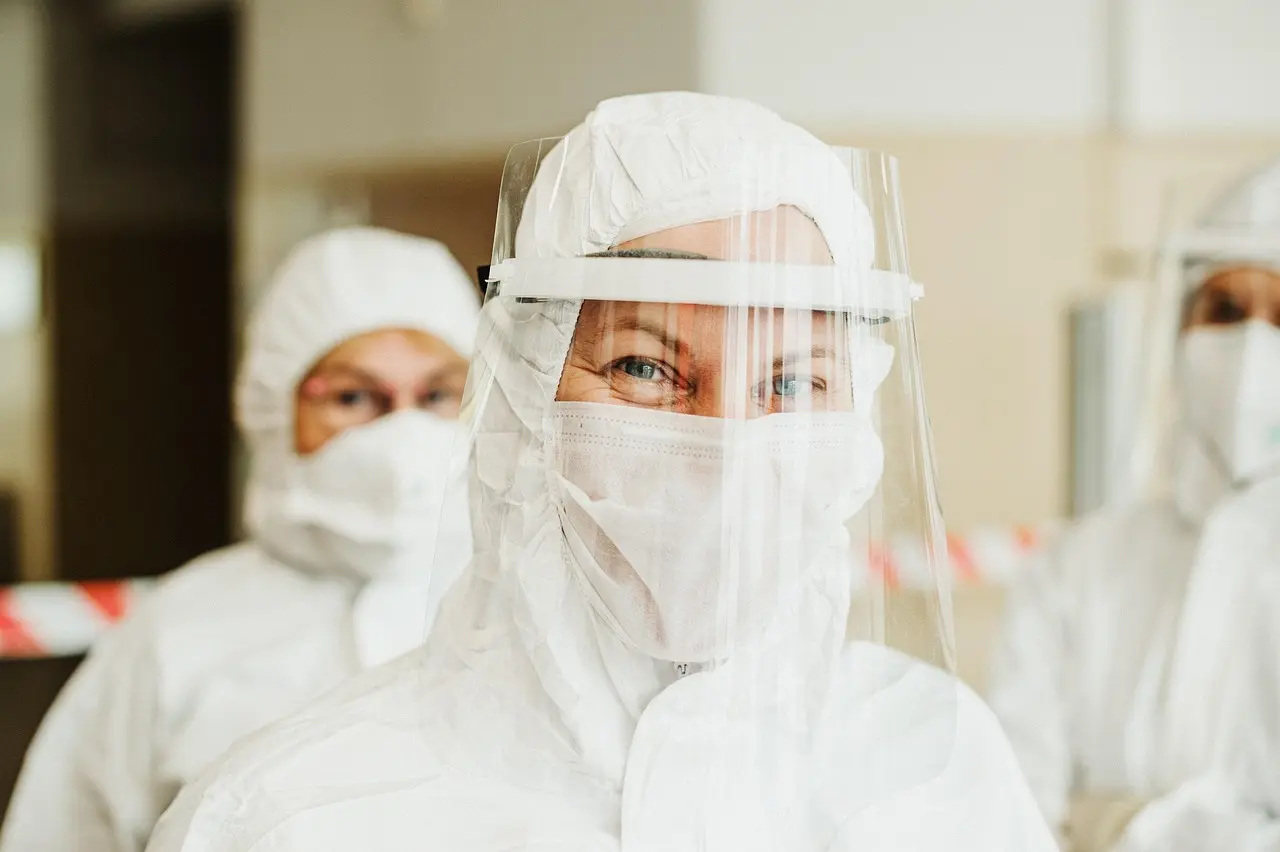
And in a mental health unit or even a primary care setting, nurses aren’t just watching. They’re intervening. They explain meds in plain English. They de-escalate tension when things get heated. They document signs that others might miss. Most importantly, they create a sense of consistency—something every patient in crisis needs.
Programs are evolving to meet these demands. Nurse practitioner programs in PA, for example, have started to build in more mental health training, even in family and adult tracks. Some schools offer special focus areas in psychiatric care. These programs combine clinical skills with emotional intelligence, preparing nurses to not only treat, but support. Students learn how to assess mood disorders, handle crisis intervention, and help patients build long-term care plans that actually make sense outside a textbook.
And because many of these programs offer hybrid or flexible learning formats, they attract working nurses who want to move forward without stepping out of the field. That’s a huge plus in a state like Pennsylvania, where rural communities often lack access to mental health professionals. Training more nurse practitioners with a focus on mental health could directly fill that gap.
The Rise of Whole-Person Care
There’s been a shift in how we talk about health lately. Physical and mental health are no longer treated like two separate issues. They overlap. A person with untreated depression may skip their diabetes meds. Someone with anxiety might avoid checkups entirely. Nurses have always known this. They’re trained to care for the full picture.
That’s why they’re so important in recovery. They see the patterns. They connect the dots. They notice the things patients don’t always say out loud. And when a system is overloaded and fractured, like ours often is, that kind of care can mean everything.
Let’s take hospital discharge, for instance. A patient recovering from a suicide attempt might leave the ER with a prescription and a list of therapists to call. But who explains the meds? Who follows up to see if they got an appointment? Who notices that their body language doesn’t match their words? More often than not, it’s the nurse.
Even in schools and correctional facilities, nurses are becoming the first point of contact for mental health concerns. They might not be trained therapists, but they are trained listeners. And when trust is hard to come by, that matters a lot.
Why Visibility Still Lags Behind
Despite all this, nurses are rarely named in mental health plans or campaigns. Their voices are left out of the public conversation. It’s not always intentional. But it means their insight is missing from the tables where big decisions get made.
Part of the problem is old stereotypes. We picture the nurse as the assistant, not the lead. The helper, not the planner. But mental health care isn’t just about diagnoses and
prescriptions. It’s about relationships. And nurses are often the glue that holds those together.
The other issue is burnout. Nurses are stretched thin, especially post-pandemic. Many are leaving the field, or switching to less demanding roles. If we want them to keep showing up for patients, we need to show up for them. That means investing in training, paying fairly, and making sure their contributions are valued—not just behind the scenes, but out in the open.
Moving Forward With Better Support
So what now? For starters, we need to rethink how we define mental health care teams. Nurses should be in that definition. They should be part of planning, not just implementation. And their input should be sought, not assumed.
We also need more educational pathways that prioritize this kind of work. Programs that teach nurses not just how to respond, but how to lead. Programs that focus on community-based care, trauma-informed practice, and cultural competency. Because the people nurses serve come from all walks of life. And they bring complex stories with them.
Hospitals, clinics, and schools should also give nurses more room to innovate. Let them develop wellness check-ins, peer support programs, or follow-up systems. When nurses feel ownership, they bring more to the table. And patients feel that.
Finally, we need to talk about this more. Out loud. In public. The next time someone mentions mental health reform, someone should say: “What about the nurses?” Because they’re already doing the work. They’ve been doing it all along.
So whether it's the nurse who notices a quiet teen in the school hallway, the one who stays late to comfort a grieving parent, or the one who calmly talks a patient through their panic attack, these moments matter. And they deserve recognition. Not just in passing, but in policy, education, and conversation.
Mental health recovery isn’t a straight line. It’s a slow climb, full of stops and starts. But nurses are there on that climb. With steady hands. Open minds. And hearts trained not just to heal—but to listen.
---
If you're ready to take the next step, the team at Empathy Health Clinic is here to help. Our board-certified psychiatrists in Orlando provide comprehensive evaluations and personalized treatment plans for a wide range of mental health conditions.