Depression in Older Adults: Warning Signs, Risk Factors, and Treatment in Orlando
Depression in Older Adults: Warning Signs, Risk Factors, and Treatment in Orlando
Depression is not a normal part of aging — but it is a common one. It affects an estimated 6 million Americans over 65, yet fewer than 1 in 3 receive any treatment. The reasons are complex: symptoms often look different in older adults, medical providers may attribute them to physical illness or "expected" life circumstances, and older generations are less likely to seek mental health care.
The result is preventable suffering. Late-life depression responds well to treatment — but it has to be recognized first.
Why Depression Looks Different After 60
Depression in older adults frequently presents differently than it does in younger people. If you're watching for classic "sad and crying," you may miss it entirely.
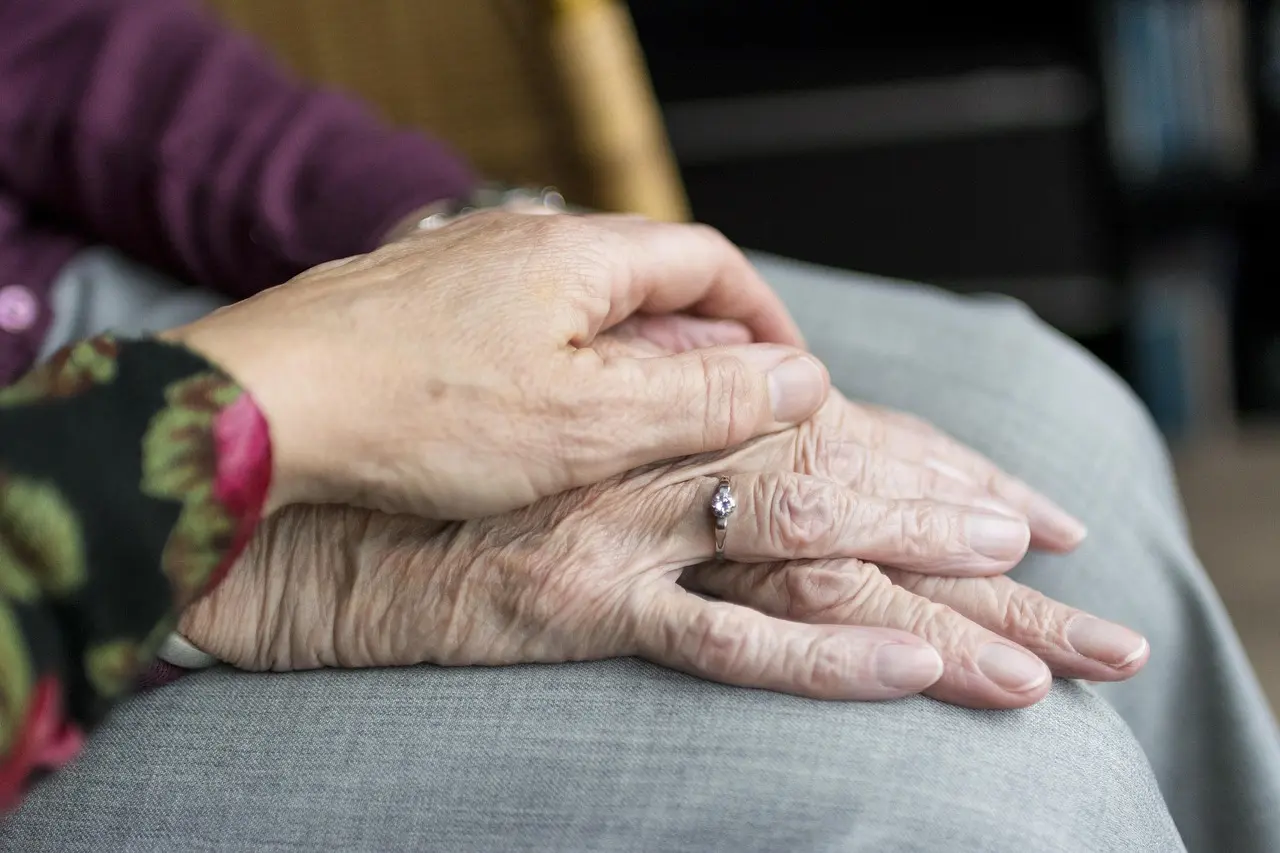
Common ways late-life depression presents:
- More physical complaints — Unexplained pain, fatigue, digestive problems, headaches, and general "not feeling well" are often how depression surfaces in older adults
- Cognitive symptoms front and center — Memory complaints, difficulty concentrating, and apparent mental slowing can look like early dementia but may actually be depression ("pseudodementia")
- Apathy without sadness — Many older adults with depression describe losing interest and motivation rather than feeling sad. They stop doing things they used to enjoy but don't necessarily feel tearful
- Social withdrawal — Progressive withdrawal from family, friends, and activities they previously valued
- Increased irritability — More common than overt sadness in some older adults
- Anxiety features — Late-life depression often has prominent anxiety, worry, or agitation
This different presentation is part of why depression in older adults is so often missed.
Risk Factors for Late-Life Depression
Certain factors increase the risk of developing depression in older age:
Medical factors:
- Chronic pain conditions (arthritis, back pain, neuropathy)
- Heart disease — depression affects 20-30% of people after heart attack
- Stroke — post-stroke depression is very common and often affects recovery
- Parkinson's disease and other neurological conditions
- Thyroid disorders (both over- and underactive thyroid)
- Diabetes
- Cancer diagnosis and treatment
Life circumstances:
- Recent bereavement — loss of a spouse, close friend, or sibling
- Caregiver stress (caring for a spouse or parent with dementia)
- Retirement and loss of professional identity
- Physical disability or loss of independence
- Social isolation — especially after relocation to a care facility
- Financial stress
Medication effects:
- Many commonly prescribed medications can cause or worsen depression including some blood pressure medications, corticosteroids, and interferon-based treatments
History:
- Personal or family history of depression significantly increases risk
- Previous depressive episodes
The Consequences of Untreated Late-Life Depression
Depression in older adults is not just "sadness." When untreated, it significantly worsens:
- Physical health outcomes — Depression is a major risk factor for worse outcomes in heart disease, diabetes, and recovery from surgery or serious illness
- Cognitive decline — Chronic depression may increase the risk of developing dementia
- Physical function — Depressed older adults are less likely to exercise, follow medical recommendations, or manage chronic conditions
- Social relationships — Withdrawal and irritability strain family relationships and reduce support networks
- Mortality — Depression increases mortality risk, partly through worse medical outcomes and partly through increased suicide risk
Suicide risk in older adults: Adults over 65 have a higher suicide completion rate than any other age group, despite lower overall attempt rates. This is particularly true for older white men. Late-life depression requires careful assessment of suicide risk.
Effective Treatments for Late-Life Depression
The good news: late-life depression responds well to treatment. Most older adults who receive appropriate care experience significant improvement.
Antidepressant Medications
SSRIs (selective serotonin reuptake inhibitors) are typically first-line for late-life depression. Sertraline (Zoloft) and escitalopram (Lexapro) are among the most commonly prescribed because of their favorable tolerability profiles in older adults.
Important considerations in older adults:
- Lower starting doses — The kidneys and liver process medications more slowly with age
- Drug interactions — A careful medication review is essential before prescribing
- Time to response — Antidepressants may take 4-8 weeks for full effect; older adults may need longer
- Side effect monitoring — Fall risk, cognitive effects, and sodium levels need monitoring
- Treatment duration — After a first episode, continuation for at least 1 year is typically recommended; after multiple episodes, longer-term treatment is often appropriate
SNRIs, bupropion, and mirtazapine may also be appropriate depending on the individual's profile.
Psychotherapy
Cognitive Behavioral Therapy (CBT) has strong evidence for late-life depression. Problem-Solving Therapy (PST), specifically developed for late-life depression, is also effective. Therapy works particularly well when combined with medication.
Many older adults — especially those who are skeptical of medication — respond very well to structured therapy.
Addressing Contributing Factors
Effective treatment of late-life depression often requires attention to:
- Pain management — untreated pain is a major driver of depression
- Social engagement — structured social activities are powerful antidepressants
- Physical activity — even gentle exercise has meaningful antidepressant effects
- Sleep — sleep disturbances both cause and worsen depression; addressing sleep is often critical
- Medication review — eliminating or adjusting medications that may be contributing
When to Consider Specialist Referral
Referral to a psychiatrist (rather than managing through primary care) is particularly appropriate when:
- First-line antidepressant treatment hasn't worked
- Diagnosis is unclear (distinguishing depression from early dementia)
- There's significant suicide risk
- The depression is severe enough to impair daily functioning
- Complex medication interactions are a concern
Getting Help in Orlando
If you're concerned about depression in an older adult — or in yourself — psychiatric evaluation is the right first step. At Empathy Health Clinic in Winter Park, FL, our psychiatrists are experienced in evaluating and treating late-life depression and other mental health conditions in older adults.
We offer:
- Comprehensive psychiatric evaluations with careful attention to medical history and medications
- Personalized medication management starting conservatively and monitoring closely
- Same-week appointments for new patients
- Telehealth options for those with mobility or transportation challenges
- Insurance accepted including Medicare, BCBS, Aetna, Cigna, UnitedHealthcare
Call 386-848-8751 or request an appointment online.
---
Depression is treatable at any age. Please don't wait. If you're in crisis, call or text 988 anytime.
---
If you or someone you care about is struggling with depression, you don't have to navigate it alone. Our depression psychiatrist in Orlando offers compassionate, evidence-based treatment tailored to your specific needs.