Couples Counseling Strengthens Relationships
Couples Counseling Strengthens Relationships
Couples counseling is a powerful form of therapy specifically for relationships. Partners can strengthen their emotional wellness and nipping latent sources of conflict while re-affirming their commitment to each other.
Those with substance use disorders are understandably wary about telling their partner about past or current addictions. But going to couples therapy enables you to gather courage, confront fears and tears, and overcome weaknesses. Doing so allows both partners to advance to inpatient detox or other treatment to rebuild your life together.
Should Couples Go to Counseling?
The idea of couples counseling may seem like a contradiction in terms. After all, when many people devote themselves to their special someone, it’s assumed that they can turn to each other for anything.
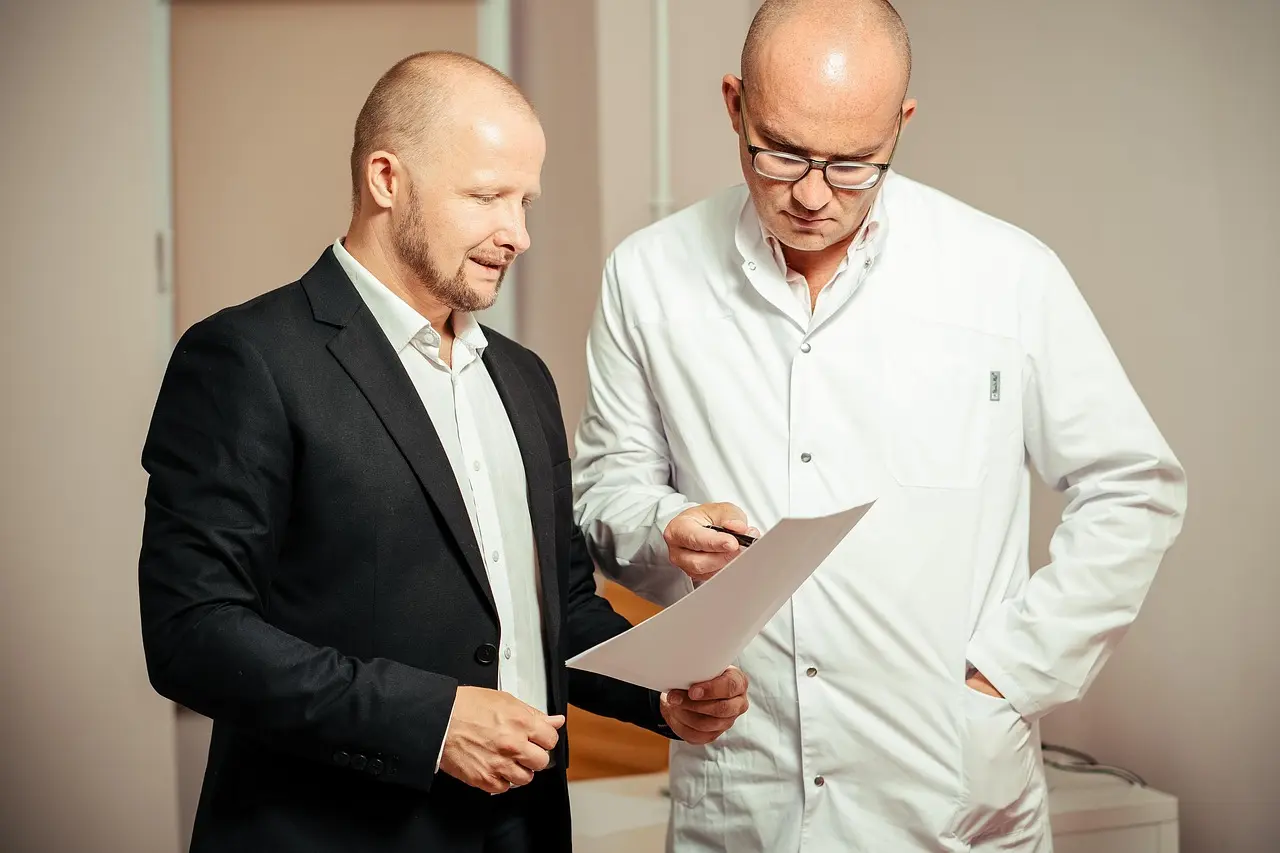
In this light, the idea of couples counseling, where people turn to professional help, can acquire a stigma as a failed relationship. The Gottman Institute, a leading research thinktank on relationships, points out that many couples are reluctant to tell their intimate problems to a stranger or that therapy costs too much.
But the cost of avoiding couples therapy may be too high a price. Stress builds up when partners detect dishonesty and secrecy. While infidelity, overspending, and job loss are reasons why relationships start to fray, substance use disorders are a leading cause. The Addiction Group shows that 40-60% of all divorce cases involve substance misuse, from alcohol to opioids.
What Happens in Couples Counseling?
Couples counseling differs from other forms of cognitive therapy or the 12 Steps done in groups or family counseling that involves kids. Couples counseling focuses on the two of you and building trust and opening communication on a deeper level. It’s more than just knowing your partner’s favorite music or dream car. Instead, both partners feel confident and comfortable in sharing their vulnerabilities and in doing so, grow stronger together.
Reflective listening
Sometimes, it’s easier to hear what we want to hear. Reflective listening is a technique that helps clear the air by making sure both parties understand their partners’ needs and intents. You don’t just hear the words, you get the intended meaning.
Reflective listening shows your partner that you value their input and that you’re taking the time to understand what they have to say. Simple acts, like rephrasing your partners’ words or asking for clarification without making assumptions, shows that you’re invested in their views and values.
Building love maps
Love maps are a step above reflective listening. Love maps is a fancy way of saying that your special someone is also a cherished friend. Like close friendships, you talk about yourselves, your pasts, and hopes for the future. You plan together, laugh together, and even shed a tear or two when times get rough.
Building Love Maps can defuse stress and frustrations that can contribute to substance abuse. Partners can feel more confident confiding their insecurities and picking up on nuanced changes in behavior and emotions. As avenues of communication grow stronger, there’s less need to rely on drugs.
Marriage counseling
For those couples who want to tie the knot, planning a life together can be filled with doubt and stress. Family members, the cost, and the details of the big event can take their toll. At times, one might wonder if it’s all worth walking down the aisle.
Here’s where marriage counseling helps strengthen those loosening knots. Marriage counselors emphasize communication and problem solving—after all, marriage is more than just playing house. You have to make big decisions about children, where you’ll live and how you’ll retire, and even small hurdles like figuring out the dinner menu can lead to arguments.
A marriage counselor helps you remember to keep your channels open in what you say and how you listen. As you plan your wedding, you’ll grow stronger in your commitment to a life together through ups and downs.
FAQ
Couples counseling heals mends in relationships, but many people remain understandably wary about going to therapy. Below are some commonly asked questions about seeing a counselor.
Does Couple Counseling Mean My Relationship is a Failure?
Not at all. Therapy is a proactive way of keeping your relationship strong. Think prevention rather than direct intervention. Clients get tips on how to improve communication and make that emotional connection healthy. Counselors can give pointers on how to resolve conflict and relieve stress that you might not even be aware is there.
My Partner Doesn’t Want to Go to Counseling. Can I Go Alone?
Absolutely. Seeing a counselor can empower you to get in touch with your emotions, straighten out your thoughts and priorities, and build up your own mental health in healthy ways. You can practice reflective listening on your own and start drafting a love map to identify deficiencies. Your partner can see these positive changes in your behavior and emotions and may be encouraged to join you in future sessions.
What’s the Best Couples Counseling Out There?
It depends. Logistics wise, some clients with busy schedules may find that telehealth or online options are the most convenient. Others may want to consult their insurance to find programs that cover potential diagnoses or mental health conditions.
In terms of therapy itself, the source of tension plays a crucial role. If substance use disorder lies at the heart of your relationship conflict, consider different therapy approaches that acknowledge opening up about fears and promote forgiveness. Ask professionals who specialize in couples counseling if they address addictions and any co-occurring mental health disorders. Some therapists may already be affiliated with a substance recovery program.
I think I’m Ready to Start Couples Counseling
Let’s be clear. Going to therapy can be a hard step. But it works. One study shows that 70-80% of those in couples counseling reported feeling better than those who opted out. Feeling better empowers you to confront addictions head-on and start looking for programs that are right for you and your partner.
Seize the day. Start rebuilding a healthier relationship for you and your special someone.
---
Strengthening a relationship takes intention and the right support. Our couples counseling in Orlando helps partners improve communication, rebuild trust, and navigate conflict with evidence-based techniques in a safe, non-judgmental space.